
Spring Livestock Checklist: 10 Health Checks for Sheep and Cattle After Turnout
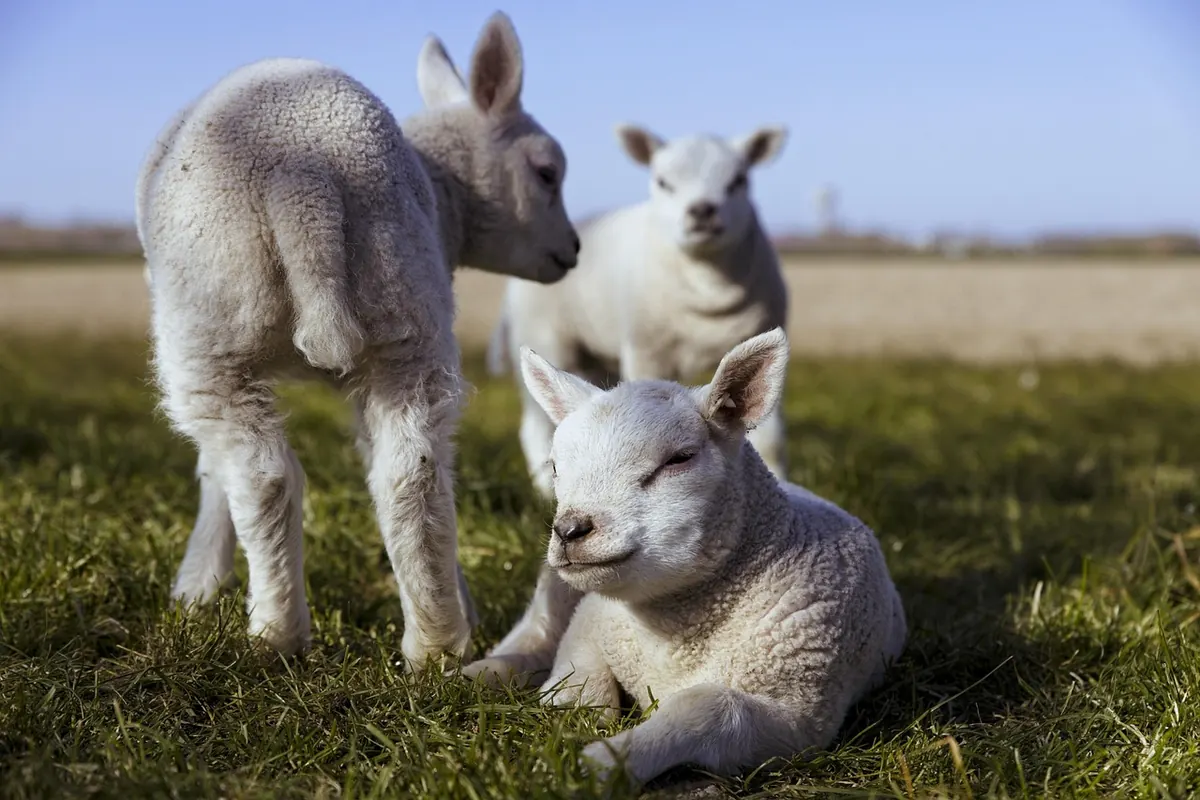
Turnout day feels like the end of a long job. Gates open, sheds empty, and for about forty-eight hours everything looks well. Then you spot the ewe lagging at the back, the lamb with a wet backside, the calf standing apart from the bunch. The first fortnight on grass is one of the riskiest stretches of the year, and most of what goes wrong is far easier to fix on day two than on day twelve. Walk these checks in order, on foot, and take a notebook with you.
1. Condition: Score the Animals, Not the Average
Body condition tells you more about how turnout is going than any single weighing. Handle a dozen ewes properly at the first opportunity — spine, ribs, tail head — and do the same with the cows. Pay particular attention to older ewes, ewes that reared twins, first-time mothers and anything with worn teeth. Those are the animals that will slide first if grass is slow.
Early spring grass is wet and bulky but low in dry matter. Cattle and sheep can look full while losing condition, so a round belly is not evidence of anything. Weigh a sample of lambs and calves if you have a weigh crate or weighband; if you only ever weigh the best ones, you are measuring your own optimism. Target the tail end of the group.
2. Feet: Watch Them Walk Before You Move Them
Stand still at the field edge for five minutes and count the lame animals. Do it before you walk through, because stock move differently once they are being pushed. In sheep, wet weather and muddy gateways bring footrot, foot abscesses and the contagious digital dermatitis that has spread through many flocks. In cattle, look for digital dermatitis in the slurry and sole bruising on stony tracks and roadways.
Catch anything lame the same day rather than waiting for the next gather. Handle it quietly, in a race or turnover crate where you can see properly. Be cautious about trimming: aggressive paring draws blood and can leave a foot worse than you found it. If the cause is not obvious, ask your vet or a trained foot trimmer to look rather than guessing.
3. Lambs and Calves: Read the Small Signals
Young stock gives you warning, but only if you get close enough. Check navels, joints, eyes and ears. A hot, swollen navel or a stiff, swollen joint points to infection and needs prompt treatment. A watery, half-closed eye may be a turned-in eyelid, which is quick to correct and miserable to leave.
Then look at backsides and bellies. Watery mouth affects very young lambs; scours from cryptosporidiosis and later coccidiosis are common in the weeks after turnout. In calves, scour and dehydration go together — pinch the skin, check the gums and watch whether the calf is still keen to suck. Count the breathing rate of a resting calf and compare it with its pen mates; a fast, shallow breath and a cough in a group deserve a closer look and, often, a veterinary call.
4. Parasites: Count Before You Dose
Wormer resistance is now a practical problem on many farms, and blanket dosing wastes money while making it worse. Collect fresh dung samples from around ten animals and ask for a faecal egg count before you reach for the drench gun. In lambs, watch for the sudden spring scours and deaths caused by Nematodirus, especially on pasture that carried lambs last year. Coccidiosis tends to hit lambs a few weeks after turnout in poached, dirty paddocks.
Calves in their first grazing season are the ones most at risk from gut worms and lungworm, so monitor growth rates rather than relying on how they look. Wet, rushy ground raises the fluke question. Anything brought onto the farm should be quarantined and treated to a plan your vet has agreed, with withdrawal periods checked every time.
5. Minerals and Spring Grass
Lush spring grass is low in magnesium, and lactating cows and ewes are most at risk in cold, wet, windy spells. Magnesium licks alone are often not enough for animals at high risk; dusting, water supplementation or boluses may be needed, so take advice on what suits your system. Cobalt and selenium shortfalls show up as poor growth and, in lambs, white muscle disease.
Copper is the trap. Sheep are prone to copper toxicity, while cattle are more often short of it, so do not assume one mineral bucket suits everything on the farm. Forage tests and blood samples tell you what is actually going on. Your vet or an independent nutritionist can turn those results into something workable.
6. Warning Signs That Mean Pick Up the Phone
- An animal that lags behind, or no longer comes to feed.
- Any sudden death, or more than one death in a group.
- Scour in young stock lasting more than a day, or any scour containing blood.
- Lameness that has not improved within forty-eight hours, or a sheep kneeling to graze.
- A ewe refusing to let her lamb suck, or lambs with empty bellies.
- Calves coughing, or breathing fast while resting.
- A sharp drop in milk, or cows going off their feed.
- A bloated animal with a tight left flank — treat this as an emergency.
- A down animal that cannot rise — also an emergency.
- Anything that nags at you. Vets would much rather hear from you early.
Keep Walking and Keep Notes
The value of a spring checklist is repetition. Walk the same route every few days, at the same time of day, and write down what you see: how many lame, how many dull, which paddock, which group. A single bad morning tells you little, but a fortnight of notes shows you a trend while you can still do something about it. Fix what you can, call for help when you should, and let the fields do the rest.
Photo: AlkeMade / Pixabay