
How to Set Up a Village Litter-Picking Group: A Practical Checklist
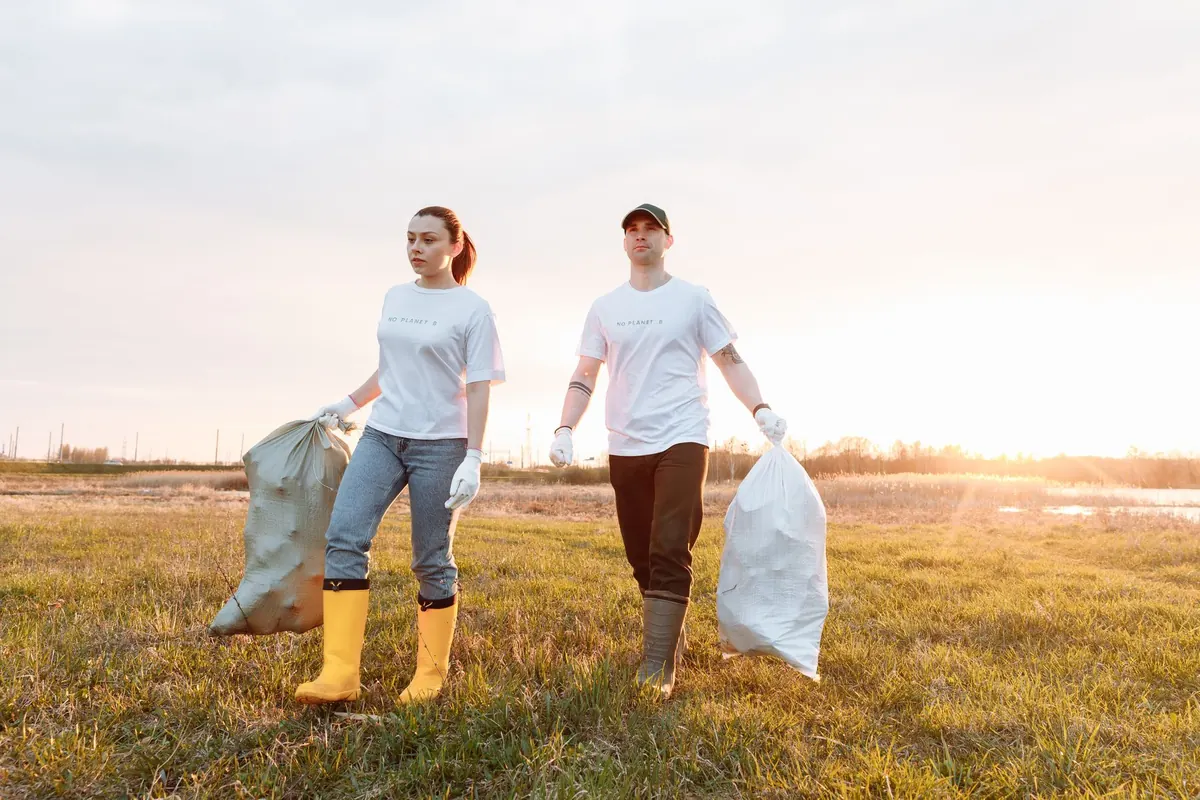
Every village litter group starts with one person and one irritation. A lane you walk most mornings. A gateway where somebody keeps leaving a bag of cans. A play area that collects wrappers blown in from somewhere else entirely. You can grumble about it for another year, or you can put on a hi-vis vest and start. What follows is the practical route from that first annoyance to a group that turns up month after month without anyone having to be a hero about it.
Before you pick up a single wrapper
Start with a walk you already know. Go out on your own, take a notebook, and treat it as reconnaissance rather than a clean-up. Note where the litter actually is, not where you assume it will be. Verges near a lay-by, the pull-in by the field gate, the stretch where the hedge traps everything the wind brings. Note the fast bends, the narrow bridges, the gates you would have to climb, and the places where two people could work side by side without stepping into the road.
Then pick one route. Not the whole parish. Something a group of eight could cover comfortably in ninety minutes, starting and finishing at the same place with parking nearby. A short route that gets done every month beats an ambitious one that gets abandoned in March.
Permissions: who to ask, and why it matters
Public footpaths cross private land. The right to walk a path is not the same as the right to stop on it with bags and grabbers, so ask. Depending on where your route runs, the people to speak to might include the parish council, the district or county council, the highways team, a landowner or farmer, a canal or river trust, or a forestry or estate office.
The parish council is usually the best first call. They often know who owns what, and they may be able to help with bag collection, lend equipment, or point you towards a small grant. Your district council can advise on removing fly-tipped waste, which is a different job from litter picking and not something volunteers should take on. Ask about that route separately.
Say what you plan to do, when, and how many people. Keep it short and specific, and ask what they would like you to avoid. A five-minute conversation in advance saves a lot of awkwardness later.
Kit that earns its keep
- Litter pickers. Adult and child sizes, plus a couple of short ones so younger helpers are not straining. Buy handles that grip well in the wet.
- Hi-vis vests or tabards. One per person, even on a quiet lane in daylight.
- Gloves. Thick, close-fitting, with some grip. Thin disposable gloves tear.
- Bags and a hoop. Heavy-duty bin bags, plus a frame or hoop that holds a bag open so one person can fill it alone.
- Buckets or trugs. Useful for glass, which shreds bags, and for anything wet.
- First aid kit, hand sanitiser, water, and a charged phone with the council's contact number saved.
- A trolley, wheelbarrow or a volunteer with a car for moving full bags back to the collection point.
Two things you should never improvise. If you find needles or drug paraphernalia, do not touch it: mark the spot clearly, keep everyone back, and report it to the council. The same goes for anything that looks like hazardous waste, asbestos sheeting, or a dead animal. That is a council job, and no amount of community spirit makes it safe to handle.
Insurance and the one-page risk assessment
You cannot remove every risk, but you can write down what you have thought about. Keep it to a single page: traffic, uneven ground, brambles, water, dogs, weather, lone working, and what you will do about each. Nervous volunteers relax when they see it, and councils and insurers often ask for it.
Then sort out cover. Ask the parish council whether their public liability policy extends to volunteers working on their behalf. Ask whether membership of a national volunteering or countryside organisation includes insurance for groups like yours. If neither applies, your group may need its own policy. Do this before the first session rather than after an incident. Insurance and liability rules vary by country and by landowner, so if anything is unclear, take proper advice from your insurer or a qualified adviser.
Recruiting people, and keeping them
Use every channel your village already has: the parish newsletter, the shop window, the pub noticeboard, the school gate, the church, the WhatsApp group, the bowls club. Specific requests work far better than general ones. "Can you bring a flask and drive the bags to the tip?" gets a yes. "We need volunteers" gets a nod and no reply.
Aim for a core of six to ten, knowing that a good month will bring four. Keep sessions to ninety minutes, or an hour for the first one, and always finish somewhere with tea. Pair people up so nobody feels exposed on a road, and let newcomers choose the easy stretch first. If children or teenagers come along, make sure they are with a responsible adult, and check with your council or school about safeguarding expectations before you advertise to families.
Making it stick
Consistency is the whole trick. Fix a date, such as the first Saturday of the month at ten, and keep the same meeting point even when only three people turn up. Post the plan a few days before. Keep a simple record of who came and roughly how many bags you filled; bag counts are useful when you apply for a grant or ask the council for better bins.
Rotate the jobs so it never becomes one person's group. Route leader at the front, sweep at the back, driver, first aider, tea maker. When someone has to miss a month, the group should barely notice.
Your first Saturday, hour by hour
- 9.30am. Two people lay out the kit, the sign-in sheet and the vests.
- 10am. Gather, brief everyone, point out the hazards, and agree where you will finish.
- 10.10am. Set off. Work in pairs. Nobody picks alone on a road.
- 11.15am. Turn back, tidying the last stretch as you go.
- 11.30am. Stack bags at the collection point and take one photo for the newsletter.
- Noon. Tea, biscuits, and one decision about next month's date.
Then do it again next month. Some sessions will be three people and a drizzly hour. That is fine. A village group that meets quietly twelve times a year achieves far more than one that burns bright in April and disappears by June, and the lane you started with will show it.
Photo: Thirdman / Pexels